After the US and Israel launched joint air strikes on Iran, Middle East tensions escalated sharply. South Korea activated an emergency response system, with Prime Minister Kim Min-seok chairing daily reviews of energy, financial, and supply chain conditions. The Ministry of Economy and Finance formed three cross-ministerial task forces to monitor risks around the Strait of Hormuz and track global oil price and exchange rate volatility amid rising crude prices.
US and Israeli airstrikes on Iran triggered retaliatory missile attacks on US bases in Bahrain and Qatar, with spillover disruptions hitting cloud infrastructure, logistics hubs, and commercial operations across the Middle East.
OpenAI has underscored the increasing complexity and unpredictability of the AI rivalry between the US and China, highlighting China's rapid progress through open-source, low-cost AI models and its export of "sovereign AI" systems to Southeast Asia and the Middle East. These shifts indicate new geopolitical dimensions in the global AI landscape.
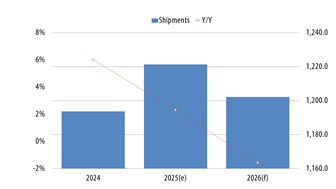
Global smartphone shipments increased by 2% year-over-year in 2025, marking the second consecutive year of growth, according to Counterpoint Research. The growth was driven by strong adoption of AI smartphones and rising demand for high-end and 5G devices in emerging markets.
Qatar and the United Arab Emirates are set to join a US-led initiative to secure artificial intelligence and semiconductor supply chains, expanding a framework Washington views as a cornerstone of its economic security strategy.